eSIM
Are eSIMs Safe? Security, Risks & Travel Safety Guide 2026
Everything you need to know about eSIM safety, from SIM swap protection to secure connectivity abroad.
TL;DR:
- Yes, eSIMs are generally safe and more secure than traditional SIM cards.
- They reduce risks like theft or physical tampering.
- However, they are still vulnerable to online threats like phishing or account takeover.
- Choosing a trusted provider (like Nomad eSIM) and following basic security practices is key.

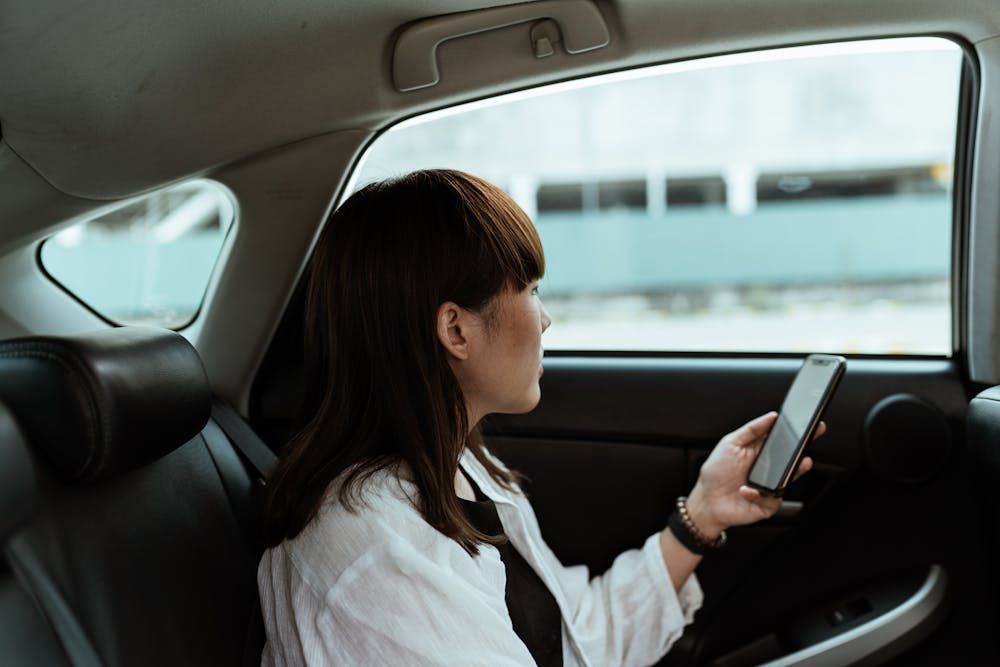
Staying secure while traveling is crucial. eSIM technology offers enhanced mobile security, protecting your data from common travel threats. This guide compares eSIM and physical SIM security, focusing on how to protect your mobile data from hacks and other threats while traveling. If you’re new to the concept, start with our primer: What is an eSIM?
Are eSIMs safe to use?
Yes, eSIMs are considered safe for everyday use, including international travel. They are generally eSIMs are generally as safe or safer than physical SIMs.
They use the same telecom infrastructure as traditional SIM cards but with added security layers such as encryption and remote provisioning.
Are eSIMs more secure than physical SIM cards?
Yes, eSIMs offer several security advantages over physical SIM cards.
Why eSIMs can be safer:
- No physical card → can’t be lost, stolen, or swapped
- Harder to clone than traditional SIMs
- Remote management adds secure activation controls
Because the SIM is embedded in your device, it eliminates common risks like SIM card theft or unauthorized physical access.
If you’re curious about how eSIMs stack up against traditional SIM cards in terms of technology and everyday use, check out our in-depth comparison between eSIMs vs. Physical SIMs.
Can eSIMs be hacked?
While eSIMs offer enhanced security, like all digital technologies, they are not completely immune to cyber threats. Common risks include:
- SIM Swap Attacks: Criminals manipulate carriers to transfer your number, intercepting communications and bypassing SMS-based 2FA.
- Social Engineering & Phishing: Hackers impersonate carriers to trick users into revealing credentials, facilitating unauthorized eSIM transfers.
- Carrier System Vulnerabilities: Compromised carrier systems may allow hackers to activate an eSIM on their device using a stolen number, with severe consequences.
- Malware & Device Exploits: Malware can manipulate eSIM settings, intercept messages, or compromise linked accounts via malicious apps, phishing links, or software vulnerabilities.
What are the main security risks of using eSIM?
1. Account takeover (SIM swap attacks)
Hackers attempt to trick your carrier into transferring your eSIM to another device.
2. Phishing and scams
Fake emails or messages try to steal login details or QR codes.
3. Data privacy and routing
Certain travel eSIM providers route traffic through multiple countries or third-party networks. This practice can affect your privacy.
4. Untrusted providers
Low-quality providers have weaker security, unreliable infrastructure, or unclear data practices.
👉 The security of your eSIM experience depends primarily on the provider you choose, rather than the technology itself.
Are eSIMs safe for international travel?
Yes, and safer than alternatives.
eSIMs are widely used for travel because:
- you don’t need to handle physical SIM cards
- there’s less risk of losing or damaging your SIM
- setup happens over secure digital channels
👉 Bonus: While eSIMs reduce your dependence on hotspots, there are times when Wi-Fi is necessary. Check out our guide to staying safe on public WiFi for extra tips.
How to use eSIM safely
To stay secure while using an eSIM:
- Use a trusted provider (e.g. Nomad eSIM)
- Enable two-factor authentication (2FA) on your accounts
- Set a PIN or password with your carrier
- Avoid clicking suspicious links or installing unknown apps
- Use a VPN on public WiFi for extra protection
Conclusion
eSIM technology significantly enhances mobile security for travelers. It mitigates physical vulnerabilities, combats SIM swapping, and provides secure connectivity. Combined with diligent cybersecurity practices, eSIMs transform your smartphone into a more secure travel companion, ensuring safe and seamless connectivity wherever your adventures lead. Embrace eSIMs for a safer travel experience.
For a broader view of online safety, don’t miss our full checklist of best practices for secure internet use while overseas.

Frequently Asked Questions (FAQs) about eSIM safety
Is an eSIM more secure than a physical SIM?
Yes, eSIMs are generally more secure because they cannot be physically removed, lost, or cloned like traditional SIMs. However, they are still vulnerable to digital threats such as SIM swap attacks and phishing scams. To enhance security, always use strong passwords, enable two-factor authentication (2FA), and secure your carrier account with a PIN or passphrase.
Is eSIM safer than roaming or public WiFi?
eSIMs are safer than public WiFi. However, your security also depends on the network you use and your personal security practices.
Is my personal information protected when using an eSIM?
Your personal information is protected by the same security standards used by mobile carriers worldwide, making eSIMs a secure option for managing your mobile connectivity.
Can eSIMs be hacked like traditional SIM cards?
While eSIMs cannot be physically cloned, they are still vulnerable to digital attacks, including SIM swap fraud, phishing, and breaches at the carrier level. Hackers may attempt to trick your carrier into transferring your eSIM profile to another device. To safeguard your eSIM, ensure your carrier account is secure, activate 2FA, and be cautious when sharing personal information online.
Do eSIMs make my phone more vulnerable to hacking?
No, eSIMs do not make your phone more vulnerable. In fact, their embedded nature often reduces physical security risks compared to removable SIM cards.
How do I know if my eSIM has been compromised?
If your eSIM has been compromised, you will notice unusual activity on your phone, such as unexpected messages or calls, or your phone may suddenly lose service or act erratically. If you suspect any unauthorized activity, immediately contact your carrier to report it. They can assist in identifying potential breaches and take steps to protect your account.
Can anyone access my eSIM remotely without my permission?
No, eSIM profiles are managed through secure, authenticated channels and cannot be accessed or transferred without your authorization.
Can someone remotely steal my eSIM information?
Although rare, hackers can attempt to steal eSIM data through phishing or social engineering. Avoid sharing personal details over email or phone, verify carrier requests, and enable security features like 2FA and strong passwords to prevent unauthorized access.
What should I do if my carrier allows an unauthorized eSIM swap?
Immediately contact your carrier to report the unauthorized swap and request a security review. Remove the compromised eSIM, activate a new one, and update passwords for sensitive accounts. Monitor your financial transactions and online accounts for any unusual activity. Also, set up additional security measures, such as stronger account PINs and multi-factor authentication (MFA), to prevent further breaches.
Are there extra security settings I can enable on my phone?
Yes, you can enhance your phone’s security by enabling biometric authentication (Face ID or fingerprint recognition) and using a strong PIN or password. Always use app-based 2FA instead of SMS, set a security PIN for your carrier account, and ensure your device’s software is always up-to-date. Avoid managing eSIM profiles on public Wi-Fi networks, and consider using a VPN to encrypt your internet connection when accessing sensitive carrier portals.